
Why Is My Jaw Popping?
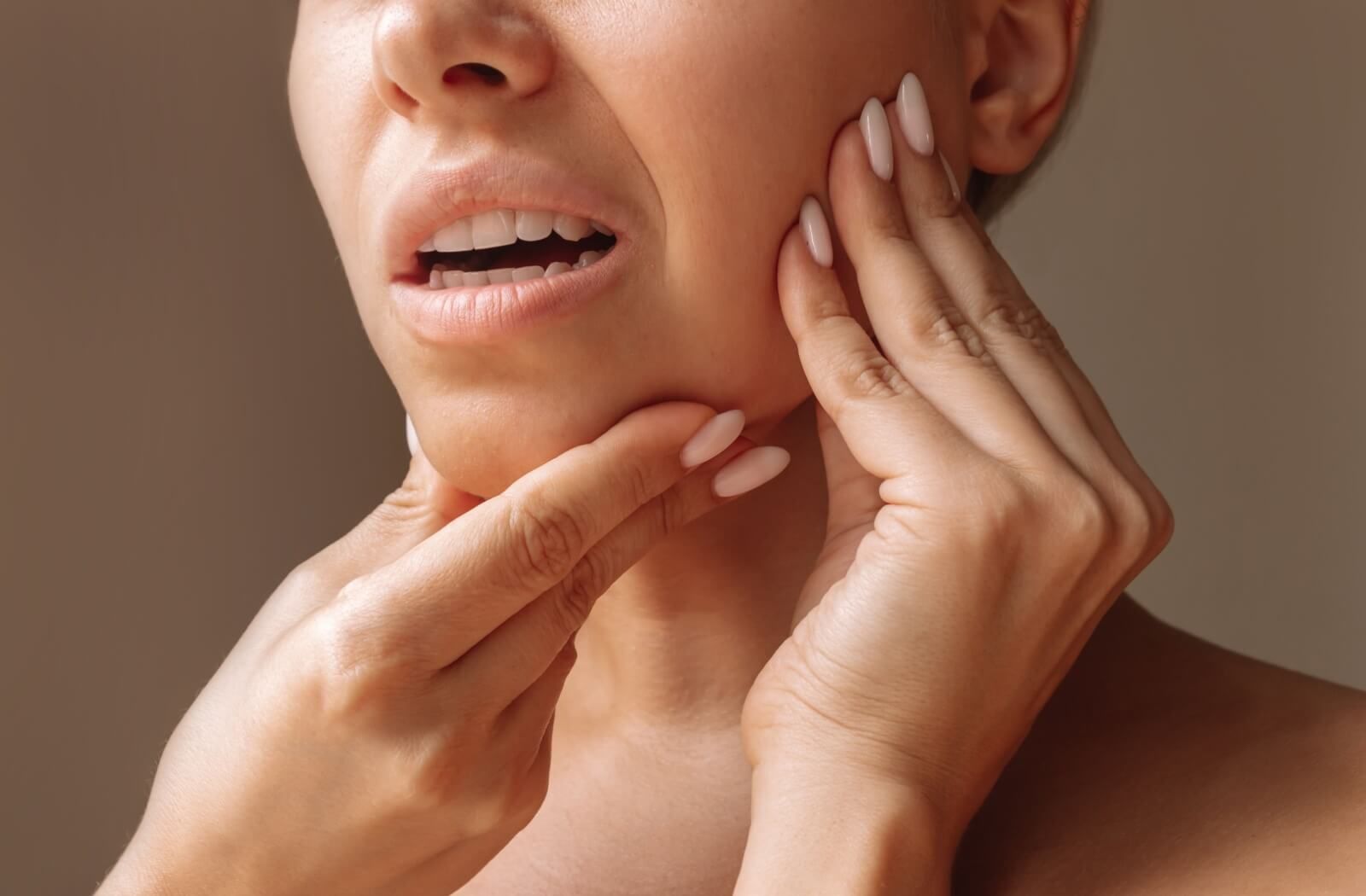
You open your mouth to yawn or take a bite of an apple, and you hear it: A distinct click or pop. Our team at Glen Oaks Dental Professionals understands this can be a surprising experience, and it’s completely normal to have questions about the health of your jaw.
That noise you hear can be a sign of stress or a mechanical issue within your jaw joint. Specifically, a popping jaw can point to a condition related to your temporomandibular joint, or TMJ. While it isn't always a cause for alarm, it's worth paying attention to, especially if it comes with discomfort.
What That Popping Sound in Your Jaw Means
Your jaw connects to your skull with a joint on each side of your head called the temporomandibular joint (TMJ). This joint is a complex hinge that slides and rotates, letting you talk, chew your favorite foods, and yawn when you feel tired.
When this joint works smoothly, you probably don't think about it at all. But a popping or clicking sound can happen when the joint’s movement is disrupted. This noise may be associated with a temporomandibular joint disorder (TMD) in some people, which means the joint isn't functioning as it should.
Common Causes of Jaw Clicks & Pops
Habits That Affect Your Jaw
Sometimes, everyday habits put extra strain on your jaw without you even realizing it. If you grind or clench your teeth (especially at night), you place a lot of pressure on the TMJ. This constant tension can lead to irritation and noise.
Habits like constantly chewing gum or consistently biting your fingernails can also overwork your jaw muscles. High levels of stress can cause you to unconsciously tighten these muscles, contributing to the clicks and pops you hear.
Other Possible Factors
Jaw popping isn't always related to your habits. An injury or direct trauma to your jaw can damage the joint and affect how it moves. In some cases, arthritis can develop in the joint, causing inflammation and discomfort.
Your bite, or the way your upper and lower teeth fit together, may also play a role. If your bite is misaligned, it can place uneven pressure on the jaw joint and may be 1 of several contributing factors associated with TMD.
Symptoms That Can Accompany a Popping Jaw
Pain & Discomfort
A clicking jaw doesn't always hurt, but when it does, the discomfort can show up in different ways. You might feel a dull, aching pain that seems to come from inside or around your ear. It’s worth talking to a dentist about your TMJ if you notice:
- Frequent headaches or neck aches
- Soreness in your cheek muscles or the side of your face
- Discomfort that gets worse when you chew
Other Possible Signs
Beyond pain, a TMJ disorder can present other signs that something is amiss. You might notice that your jaw feels stiff, making it hard to open your mouth all the way. In some instances, your jaw might even feel like it gets “stuck” or “locked” in an open or closed position. Other signs to look for are:
- A ringing sound in your ears (tinnitus)
- A sudden change in how your upper and lower teeth fit together
- Dizziness or feelings of pressure in your ear

Simple Ways to Ease Jaw Discomfort at Home
If your jaw is feeling sore or noisy, a few simple adjustments at home can help provide some relief. These steps can reduce strain on the joint and give it a chance to rest. You can try to:
- Stick to soft foods like yogurt, soup, and mashed potatoes for a few days to avoid hard chewing.
- Apply a warm, moist towel to the sore area for about 10–15 minutes to help relax the muscles.
- Practice simple jaw relaxation techniques, like letting your jaw hang slack with your lips together and teeth apart.
When to See a Professional for Jaw Pain
Home care can be helpful, but some situations call for professional attention. You should consider scheduling a dental visit if your jaw gets stuck in an open or closed position. It's also a good idea to seek help if the pain interferes with daily activities like eating and talking, or if home care doesn't provide any relief after about a week.
How a Dentist Can Help
A dental professional can look closely at your jaw, bite, and teeth to identify what might be happening. Based on your specific needs, our team may suggest a custom oral appliance or mouthguard to protect your teeth from grinding. They can also check for bite alignment issues that may contribute to the strain.
Our dentist in New York can also recommend specific jaw exercises designed to strengthen the muscles and improve joint movement. Easing your discomfort and improving your jaw function begins with a clear diagnosis.
Schedule Your Visit
If you're experiencing persistent jaw popping or pain, our team at Glen Oaks Dental Professionals is here to help. Schedule an appointment and find a path toward a more comfortable, quieter jaw.