
How to Fix Gaps Between Your Teeth
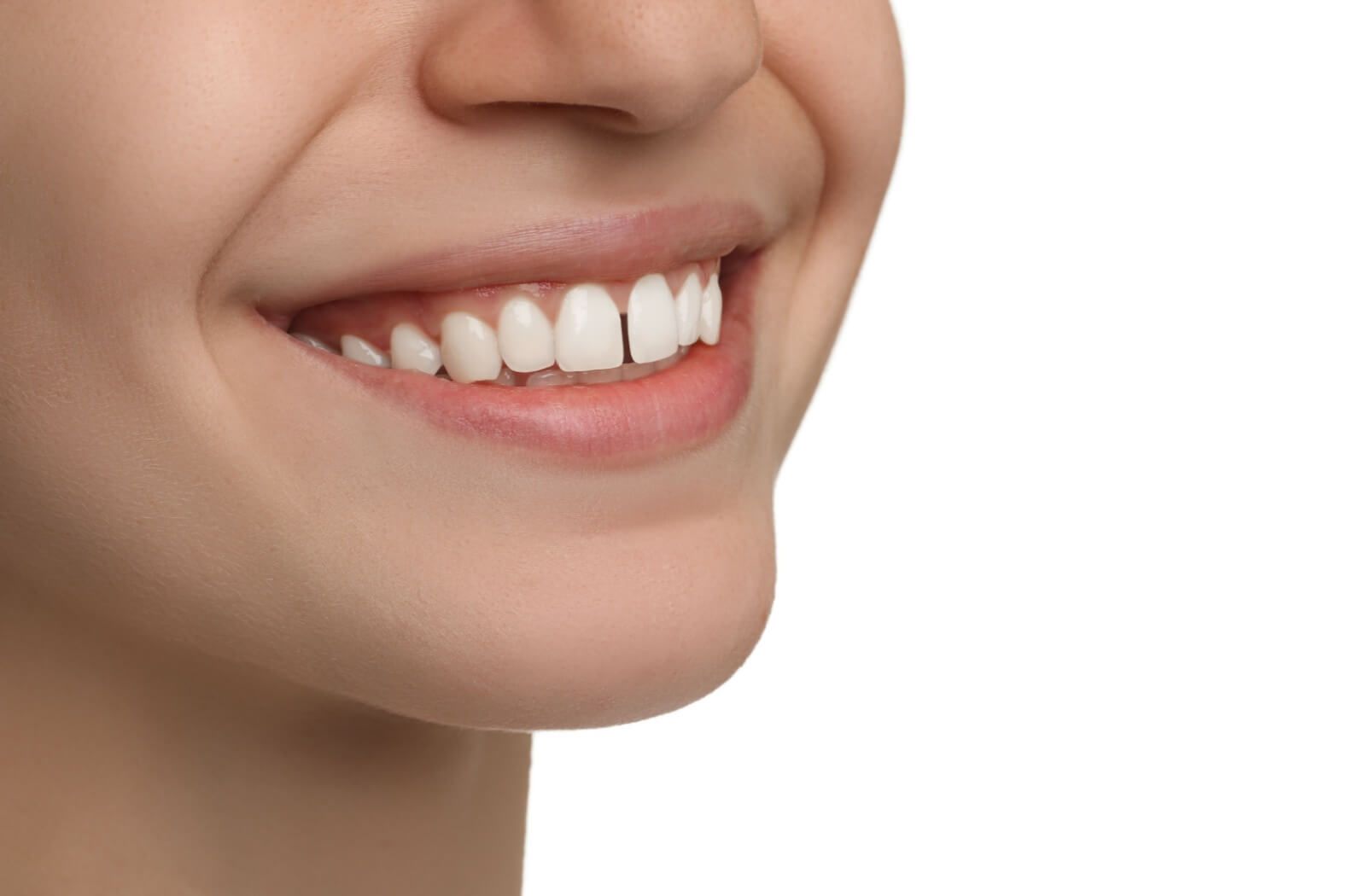
Gaps, also called diastemas, are common, but you don't have to live with them if they bother you. Understanding your options is the first step toward a smile you feel great about.
You can fix gaps in your teeth with several professional dental treatments, including braces, clear aligners, dental bonding, or porcelain veneers. The right choice for you depends on the size of the gap, your overall dental health, and your personal goals for your smile.
What Causes Gaps in Teeth?
Spaces, or diastemas, can form between your teeth for a few different reasons. Sometimes, it’s just a matter of genetics; your jaw may be a little large for the size of your teeth, leaving extra room. For others, the gap is a result of habits over time.
Certain childhood behaviors, like thumb sucking, can push front teeth forward and apart. An incorrect swallowing reflex, known as tongue thrust, can also create a gap. This is when you push your tongue against your front teeth when you swallow, which can gradually move them.
Another physical cause can be an oversized labial frenum, which is the piece of tissue that extends from inside your upper lip to the gum just above your 2 front teeth. If this tissue is larger than average, it can pass between the teeth and keep them from closing. Gaps can also develop later in life if gum health declines, as this can cause teeth to shift.
Professional Ways to Close a Tooth Gap
If you're ready to close a gap, a dental professional can help you find a suitable solution. Traditional braces use a system of brackets and wires to apply gentle, consistent pressure, moving your teeth into their desired positions over months or years. They can be a reliable way to correct gaps and other alignment issues.
Clear aligners are another popular orthodontic option. These are custom-made, removable plastic trays that you wear over your teeth. Each new set of aligners brings you a little closer to your goal.
The choice between braces and aligners often comes down to personal preference and lifestyle. Since braces are attached to your teeth, you don't have to worry about removing them. Clear aligners offer more flexibility, as you can take them out to eat and clean your teeth, but they require discipline to wear for the recommended amount of time each day.
For a more cosmetic approach, a dentist may suggest veneers or bonding to change the appearance of your smile without moving the teeth.
Options to Fix Gaps Without Braces
Dental Bonding
If you have a small gap, dental bonding is a straightforward and effective option. A tooth-colored resin material is applied directly to your teeth and sculpted to fill the space. The material is then hardened with a special light, creating a durable and natural-looking finish.
The whole process is typically completed in a single visit. It’s a convenient way to achieve immediate results and improve the look of your smile without a long-term commitment. With proper care, such as avoiding hard foods and staining drinks, the bonding can last for several years.
Porcelain Veneers
Porcelain veneers are thin, custom-made shells designed to cover the front surface of your teeth. They are crafted to match the color and shape of your natural teeth, providing a seamless look. Veneers can be a great way to close gaps while also correcting other cosmetic concerns, like chips or discoloration.
These shells are bonded to your teeth and are known for their durability and resistance to stains. The process usually takes a couple of appointments, but the result is a completely transformed smile that feels both strong and beautiful.

Costs & Considerations for a Straighter Smile
Choosing to straighten your smile is an investment in your comfort and confidence. The cost can vary quite a bit depending on the path you take. Understanding the factors that influence the price helps you make an informed decision that fits your budget and goals.
What Is the Cheapest Way to Close a Gap?
For minor gaps, dental bonding is often a lower-cost treatment compared to orthodontics or veneers. The price of any procedure, however, can depend on your specific situation. During a consultation, you can get a clear idea of the expenses involved for each option.
Factors That Affect Your Cost
The final cost of closing your tooth gap is influenced by a few key things. The primary factors include:
- The treatment method you select, whether that be braces, aligners, bonding, or veneers
- The complexity of your case and the size of the gap
- How long your treatment is expected to take
We Can Help
Our team at Glen Oaks Dental Professionals is available 6 days a week to discuss your smile goals. Schedule a consultation to explore which gap-closing treatment is right for you.