
That persistent ache in your ear can be frustrating, especially if there's no infection. The source of this discomfort may not be your ear at all—it could be related to your jaw.
Your temporomandibular joint (TMJ) sits very close to your ear canal. Because of this proximity, inflammation or tension in the jaw can create pain that feels like an earache.
TMJ-related ear pain often comes with other clues. You might notice clicking sounds in your jaw, stiffness, or discomfort that gets worse when you chew or talk.
Habits like teeth grinding or stress can contribute to this strain. A dentist can help identify the cause and may suggest options like a custom-fit mouthguard to help your jaw muscles relax.
The team at Glen Oaks Dental Professionals can help determine if your ear pain is jaw-related. As a dentist in New York, we can provide a thorough examination and discuss a personalized care plan with you.
To learn more, read our full blog on the topic.
Can TMJ Cause Ear Pain?
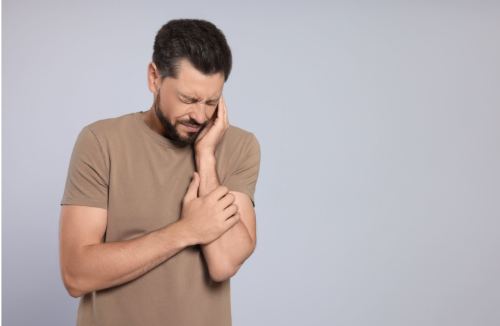
That persistent, nagging ache in your ear can be frustrating, especially when there’s no sign of an infection. You might feel a dull pain, fullness, or even ringing that you just can’t explain. If this sounds familiar, the source of your discomfort may not be your ear at all—it could be your jaw.
Yes, problems with your jaw joint can directly cause pain in your ear. The team at Glen Oaks Dental Professionals can provide a diagnosis for issues related to the temporomandibular joint (TMJ), which is located very close to the ear. This proximity means that what affects one can easily affect the other.
The Link Between Your Jaw & Ear
What Is The TMJ?
Your temporomandibular joint is the hinge that connects your jawbone to your skull, located just in front of your ears on each side of your head. You can feel it move when you place your fingers there and open your mouth, allowing you to talk, chew, and yawn.
Think of it as one of the most complex joints in your body, capable of moving side to side as well as forward and backward. This wide range of motion is what lets you enjoy a crunchy apple or carry on a conversation.
Why Your Jaw Can Affect Your Ear
Because the jaw joint sits so close to your ear canal, any inflammation or tension there can radiate, making it feel like an earache. The muscles you use for chewing are also near your ear. When these muscles are tight, they can create a sensation of fullness or pressure inside your ear.
Additionally, the jaw and ear share some nerves. When the TMJ is inflamed, it can send pain signals along these shared pathways, tricking your brain into thinking the pain is coming from your ear.
Spot The Signs of a TMJ Problem
How To Tell If Ear Pain Comes From TMJ
TMJ-related ear pain often comes with other distinct clues that point to your jaw as the source. You might notice that your discomfort doesn't seem like a typical ear infection, which often involves a fever or fluid.
Pay attention to whether your ear pain is accompanied by any of these signs:
- Pain that gets worse when you chew, talk, or yawn
- Clicking, popping, or grating sounds in your jaw
- Discomfort in or around the ear without a fever or fluid drainage
Common TMJ & Ear Symptoms
When the TMJ is irritated, it can create a range of symptoms that you might mistake for other issues. Beyond general discomfort, you could experience specific sensations in both your jaw and your ears.
These often include:
- A dull, aching pain that feels like it’s inside or around your ear
- Ringing in the ears—a condition also known as tinnitus
- Stiffness, soreness, or tenderness in your jaw muscles
What Causes TMJ Discomfort?
Everyday Habits That Contribute
Sometimes, TMJ pain develops from small, repeated actions you may not even be aware of. These habits can put extra strain on your jaw joint and the surrounding muscles over time.
Common contributors include
grinding or clenching your teeth, often at night, or muscle tension from stress.
Other habits, such as frequently chewing gum, biting your fingernails, or even cradling your phone between your shoulder and ear, can contribute to jaw strain. Poor posture, especially leaning forward at a desk, can also misalign your head and neck, putting pressure on the TMJ.
Other Potential Factors
TMJ problems can occasionally be linked to physical factors or conditions. A past injury to your jaw, face, or neck can lead to joint issues. An improper bite—where your upper and lower teeth don't fit together correctly—or arthritis in the joint can also cause significant discomfort. Stress is another major factor, as it can cause you to unconsciously tighten your jaw and facial muscles throughout the day.
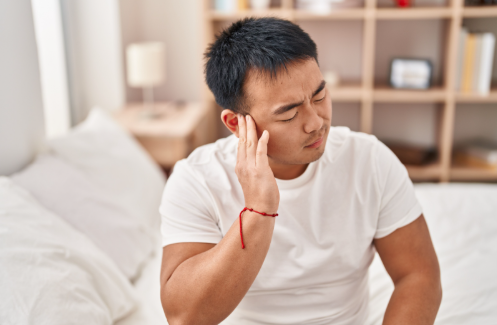
Ways to Ease TMJ-Related Ear Pain
Simple At-Home Care
You can often find temporary relief from minor TMJ discomfort with a few simple changes. Try eating soft foods like yogurt or soup to give your jaw a rest. Applying a warm, moist cloth to the side of your face can also help relax tense muscles and soothe the joint. You can also try gentle jaw stretches and be mindful to avoid activities that strain the jaw, like yelling or wide yawning.
Professional Treatment Options
If home care doesn't provide enough relief, a dental professional can discuss other options with you. A custom-fit oral appliance or mouthguard can help protect your teeth from grinding. A care plan may also include specific jaw exercises or medication to help reduce inflammation. A custom mouthguard works by creating a small space between your upper and lower teeth, which helps your jaw muscles relax.
When to See a Dentist for Jaw & Ear Pain
Get An Accurate Diagnosis
Since ear pain can have many causes, getting a proper diagnosis is an important first step. A dentist can perform a comprehensive examination to check your jaw's alignment and function. This helps determine if your ear pain is connected to a TMJ issue or something else entirely.
During the exam, the dentist may ask you to open and close your mouth, listen for any sounds the joint makes, and gently press on areas of your face and jaw to check for tenderness. This hands-on approach provides valuable information about what’s causing your symptoms.
Your Dentist Can Help
A dentist can provide a thorough exam to understand the source of your pain. The dental team can carefully check your bite, listen for joint sounds, and feel how your jaw moves. From there, they can develop a personalized care plan to help you find relief.
If you're experiencing unexplained earaches, jaw tenderness, or clicking sounds, don't ignore them. The team at Glen Oaks Dental Professionals is here to help identify the cause of your discomfort. Schedule a consultation to take the first step toward feeling better.